
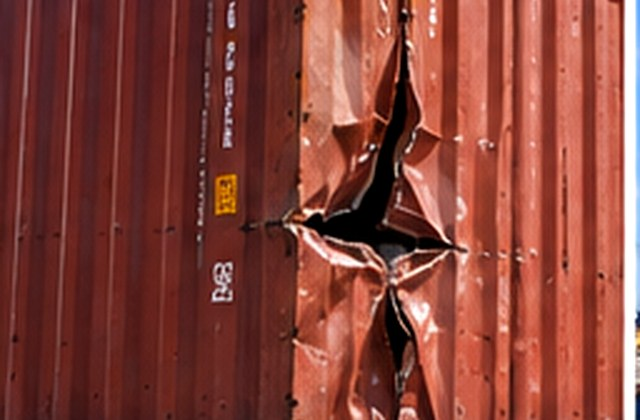
1. Photograph before moving or unpacking further
Take wide views showing the cargo in context, then close-ups of the damage. Include package numbers, labels, container details and the surrounding handling or storage condition.
2. Identify every affected package or item
Record item numbers, crate marks, serial numbers, package quantities and any visible mismatch between cargo and packing list.
3. Preserve the packaging
Broken cases, wet wrapping, torn covers, bent bands, damaged skids and dunnage can be important evidence. Avoid disposing of them before the survey unless safety requires it.
4. Record when and where the damage was discovered
Note the date, time and exact location. Record whether the damage was visible before discharge, at warehouse receipt, during unpacking or only after internal examination.
5. Avoid unnecessary alteration
Do not repair, straighten, repaint, re-pack or dismantle cargo before the original condition is documented, unless urgent mitigation is needed.
6. Segregate damaged cargo where practical
Keeping affected units separate makes counting, inspection and mitigation easier and helps prevent further handling damage.
7. Collect the transport documents
Prepare the bill of lading, packing list, invoice, delivery notes, tally records, exception reports and any pre-shipment photographs or inspection records.
8. Record factual statements promptly
If handlers, drivers, warehouse staff or receivers observed the incident or the cargo condition, record short factual statements while events are still fresh.
9. Appoint the surveyor early
Prompt attendance is particularly important where wetness, packaging condition, lashing or original stowage position may change quickly.
10. Document mitigation and repair decisions
If cargo must be dried, protected, re-packed, repaired or moved, keep a record of what was done, why it was necessary and who authorized it.
What the survey should establish
A well-structured damage survey should identify the affected cargo, describe the damage, preserve a reliable photographic record, note relevant packaging and handling evidence, and distinguish observed facts from probable cause indicators. Liability and claim decisions remain with the relevant contractual and insurance parties.